Ministry of Education, in collaboration with the Regional Teachers Initiative for Africa (RTIA), has unveiled Guidelines for the Implementation of Inclusive and Special Education for Teachers in Zambia.
The Guidelines have been developed to strengthen inclusive education practices and support teachers, school leaders and education stakeholders in ensuring that all learners, including those with diverse learning needs, are supported to reach their full potential.
Speaking during the launch in Lusaka, Minister of Education Douglas Syakalima, described the initiative as a major milestone in promoting equitable access to education for all learners.
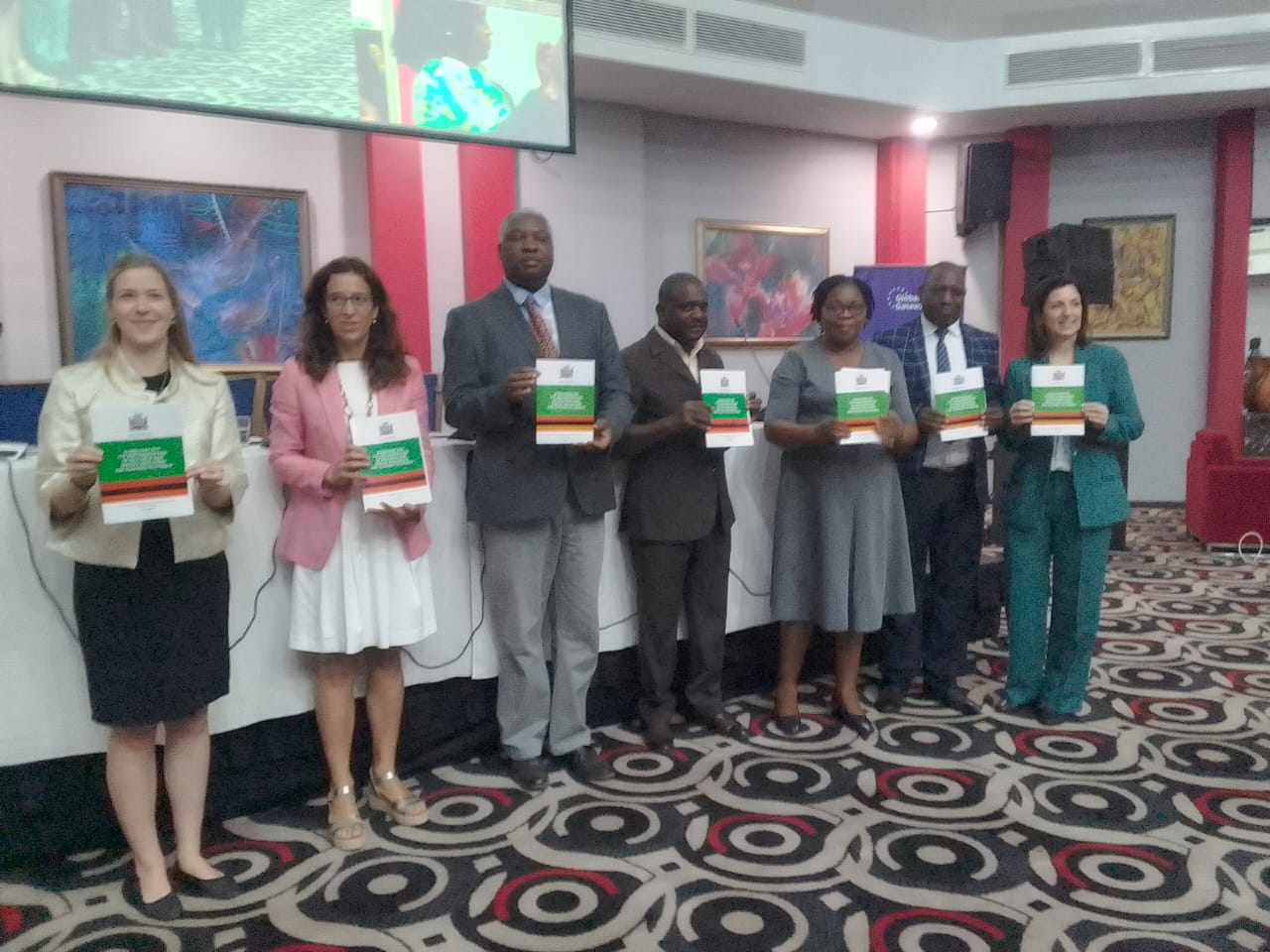
Mr. Syakalima, who was represented by Ministry of Education Director-Teacher Education and Specialized Services, Sydney Nalube, said the guidelines will help teachers effectively support learners with diverse educational needs in classrooms across the country. “Inclusive education is not simply a political aspiration, it is a moral obligation under fundamental human rights,” he said.
He noted that the guidelines have been developed to provide teachers with clear, structured and context-specific guidance to strengthen inclusive practices and improve learning outcomes, especially for learners with special educational needs.
The Minister also commended cooperating partners, including the RTIA and European Union (EU), for supporting Zambia’s education sector, and further highlighted the importance of the ministerial knowledge-sharing platform involving delegates from Djibouti, Mozambique and South Africa.
He urged provincial education officers and other stakeholders to ensure the effective implementation of the guidelines in schools across the country.
And Ministry of Education Principal Education Officer-Special Education Mwiya Mwiya, said the guidelines were developed through a consultative and inclusive process involving educators, technical experts, cooperating partners and organizations representing persons with disabilities.
Mr. Mwiya explained that the document was designed to provide teachers with practical and user-friendly guidance on handling diverse learning needs in inclusive classroom settings.
“The development of these guidelines was guided by the Government’s commitment to providing inclusive, equitable and quality education for all learners, and when we say all, we mean all,” he said.
He added that the guidelines provide direction on identification and support of learners with special education needs, teaching methodologies, classroom management, curriculum adaptation, differentiated learning approaches and assessment methods that accommodate diverse learners.
Speaking earlier, European Union (EU) Education Policy and Programme Manager Sonia Godinho, said the revised guidelines, which build on the 2015 framework, were designed to respond to the current realities faced by teachers and schools. “Teachers need practical guidance, and this is what these updated guidelines are designed to provide,” she said. “Inclusive education is not about lowering standards, it is about making sure every learner has a fair opportunity to reach their own potential.”
She revealed that more than 600 stakeholders, including teachers, parents, learners, school leaders and organizations of persons with disabilities, contributed to the revision of the guidelines.
Ms. Godinho noted that Zambia had demonstrated commitment to inclusive education through the Education Act, the Persons with Disabilities Act and the newly launched National Education Policy 2025. “Policies and legislation are important, but inclusion becomes real through the daily actions of teachers, through their creativity, encouragement and belief in every learner,” Ms. Godinho added.
Meanwhile, VVOB Zambia Education Manager Miranda Moolenaar, said the launch of the guidelines will help strengthen collaboration between mainstream and special education systems in the country.
Ms. Moolenaar, a former Special Education Teacher, stated that teachers play a critical role in ensuring that all learners, regardless of their background or abilities, are supported to thrive in the classroom. “We have the obligation to cater for all those learners in our society,” she said, adding that the new guidelines will help equip teachers with the skills and understanding needed to support learners with different educational needs while promoting inclusive learning environments across schools.