

Zambia has reached a Staff-Level Agreement with the International Monetary Fund (IMF) on the Sixth and Final Review under the Extended Credit Facility (ECF), marking a major step toward concluding the country’s IMF-supported reform programme.
Once approved by the IMF Executive Board, the agreement will release a final disbursement of SDR 139.9 million, equivalent to about US$190 million. This will bring total IMF financial support to Zambia to approximately SDR 1.27 billion, or about US$1.7 billion, since August 2022.
The successful conclusion of the review demonstrates Zambia’s continued commitment to reform despite persistent domestic and global economic pressures, and reflects growing confidence in the country’s economic recovery and policy direction.
IMF Mission Chief for Zambia, Ms. Mercedes Vera Martin, said the Fund was encouraged by the progress made during the programme period.
“Despite external and domestic shocks during the program period, Zambia has significantly reduced macroeconomic imbalances, undertaken sustained fiscal consolidation while safeguarding social spending, and rebuilt buffers that have improved resilience to shocks,” Ms. Martin said.
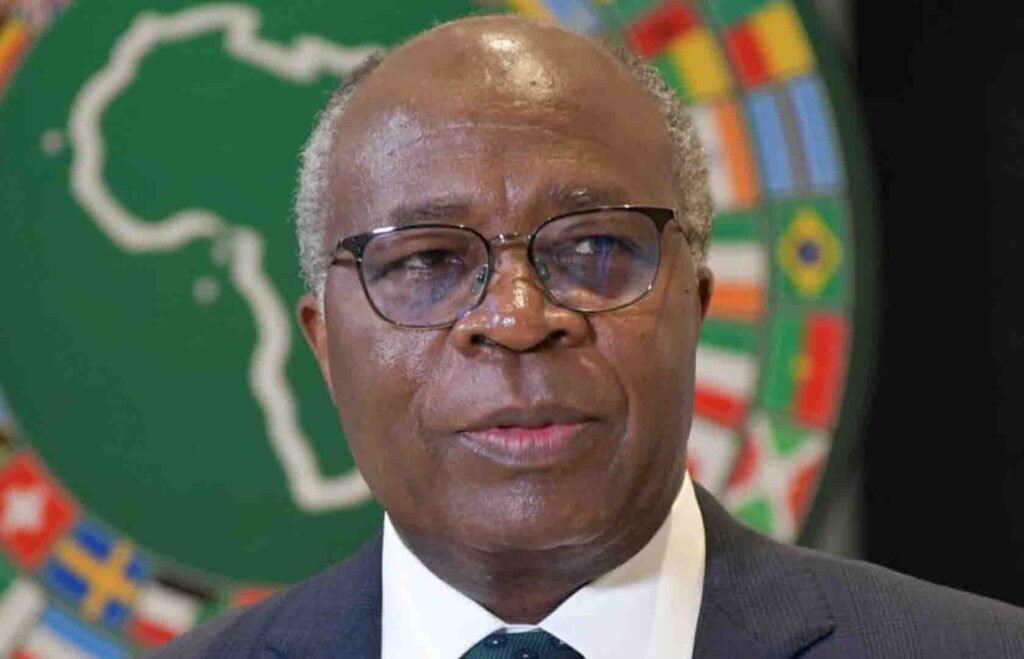
Minister of Finance and National Planning Dr. Situmbeko Musokotwane described the Staff-Level Agreement as both validation of policy discipline and a catalyst for renewed economic opportunity.
“This agreement is not just a technical milestone with the IMF. It is confirmation that the difficult reforms undertaken by the Zambian people are working, that stability is being restored, and that our economy is once again becoming predictable and investable,” he added.
The Staff-Level Agreement comes against the backdrop of improved international confidence in Zambia’s economy, reflected in recent sovereign credit rating upgrades by Standard & Poor’s and Fitch Ratings, which have returned the country to the B-category with Stable Outlooks.
Dr. Musokotwane said the IMF programme, the 2026 National Budget and the assessments by international rating agencies collectively provide assurance that Zambia’s reform agenda remains credible and sustainable.
He noted that the coordination between IMF commitments, national budget priorities and external evaluations was intentional.
“Policy credibility is built through consistency. The 2026 Budget, which commences shortly, will translate these commitments into concrete action that supports growth, protects the vulnerable and enables private sector-led job creation,” he said.
The IMF has acknowledged Zambia’s progress in restoring macroeconomic stability, including strengthened fiscal performance and a rebuild of international reserves now estimated at about US$5.2 billion, equivalent to roughly five months of import cover.
The Fund also noted that easing inflationary pressures are being supported by a stronger kwacha, lower fuel prices and improved food supply conditions.
“These developments are translating into greater stability in prices, the exchange rate and the overall business environment,” the Fund observed.
Over the medium term, the IMF projects Zambia’s economy to maintain strong momentum, with growth averaging 5.6 percent between 2026 and 2031, driven by investment, agricultural expansion, energy sector reforms and rising copper production. Inflation is expected to return to the 6–8 percent target range by 2027, while the current account is projected to move back into surplus from 2026 as exports continue to strengthen.


