

Government has announced that it will not pursue a previously anticipated one-year extension of Zambia’s International Monetary Fund (IMF)–supported Extended Credit Facility (ECF) arrangement, opting instead to replace it with a full program that runs the full course.
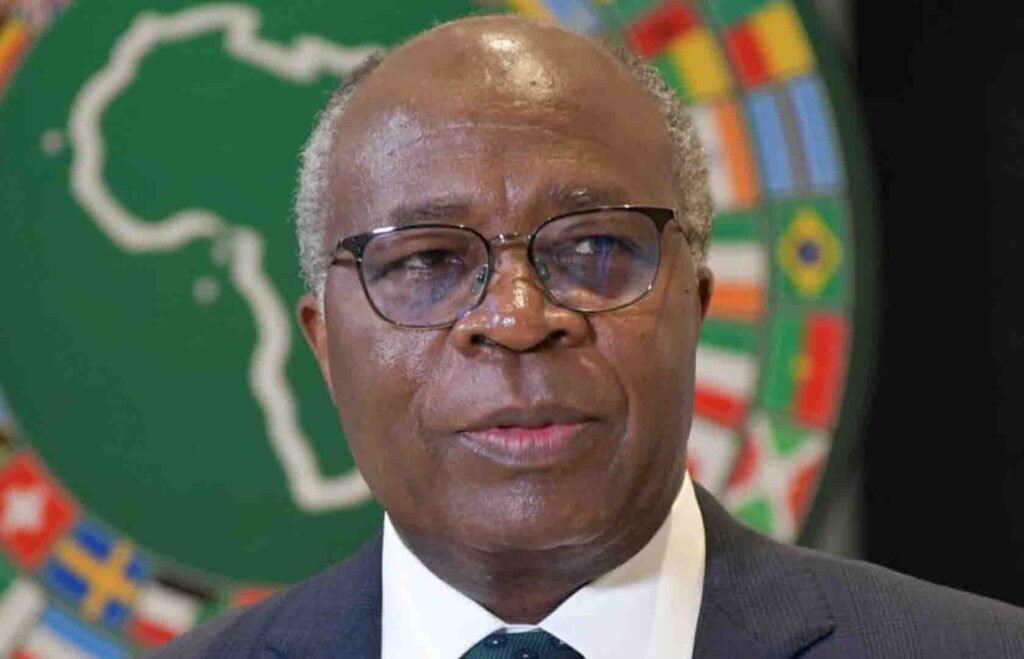
In a statement issued in Lusaka, Minister of Finance and National Planning, Dr. Situmbeko Musokotwane, said the decision follows the successful completion of the sixth and final review of the current ECF programme, which began in 2022.
Dr. Musokotwane emphasized that the move should not be interpreted as disengagement from the IMF or a weakening of reform commitments.
He explained that the current ECF programme, initially expected to end in November 2025, is now set to conclude in mid-January 2026.
He explained that the short extension from November to January was purely technical, meant to allow adequate time for assessment of programme performance as of end-October.
“After careful consideration and extensive consultations, the Government has decided to successfully conclude the ongoing sixth and final review of the current ECF arrangement.”
“Immediately thereafter, the government shall engage with the IMF on a successor programme. That successor program will still encompass issues of concluding Zambia’s debt restructuring commitments so that it is fully accomplished. However, other evolving economic priorities, especially economic growth ambitions and other medium-term development needs shall also be addressed,” Dr. Musokotwane stated.
Dr. Musokotwane noted that Zambia has successfully completed all IMF programme reviews since 2022, with a staff-level agreement on the sixth and final review reached last month, subject to approval by the IMF Executive Board.
According to the Minister, Zambia’s strong track record under the programme — marked by consistent achievement of quantitative performance criteria and structural benchmarks — has contributed to macroeconomic stabilization, restored confidence, and strengthened fiscal discipline.
“Since the programme’s inception in 2022, Zambia has consistently delivered on key quantitative performance criteria and structural benchmarks. The implementation of the program has been exceptional good when compared to many other countries and indeed even to Zambia’s own performance in the past.”
“This strong track record, without any break or suspension, has underpinned decisive macroeconomic stabilization,” he noted.
He said fiscal consolidation has been firmly achieved, with primary fiscal surpluses exceeding two percent of Gross Domestic Product (GDP), demonstrating disciplined public financial management of spending within Government’s means and a clear commitment to debt sustainability.
“These reforms have restored confidence and strengthened economic fundamentals. The IMF projects economic growth to exceed 5 percent in 2025, while inflation is expected to return to the target range of 6–8 percent within the next two years,” Dr. Musokotwane said.
Dr. Musokotwane stressed that the decision to forego a one-year extension is driven by a policy shift toward a growth-focused agenda.
The planned successor programme will still address outstanding debt restructuring commitments but will place greater emphasis on economic growth, investment, job creation, and medium-term development priorities.


