
The United States Government has dismissed media reports suggesting that it is seeking access to Zambia’s mineral resources in exchange for continued health funding.
Recent international media reports indicated that the U.S. was considering scaling back major HIV and health assistance to Zambia unless the country agreed to a broader arrangement granting American companies increased access to its mineral resources.
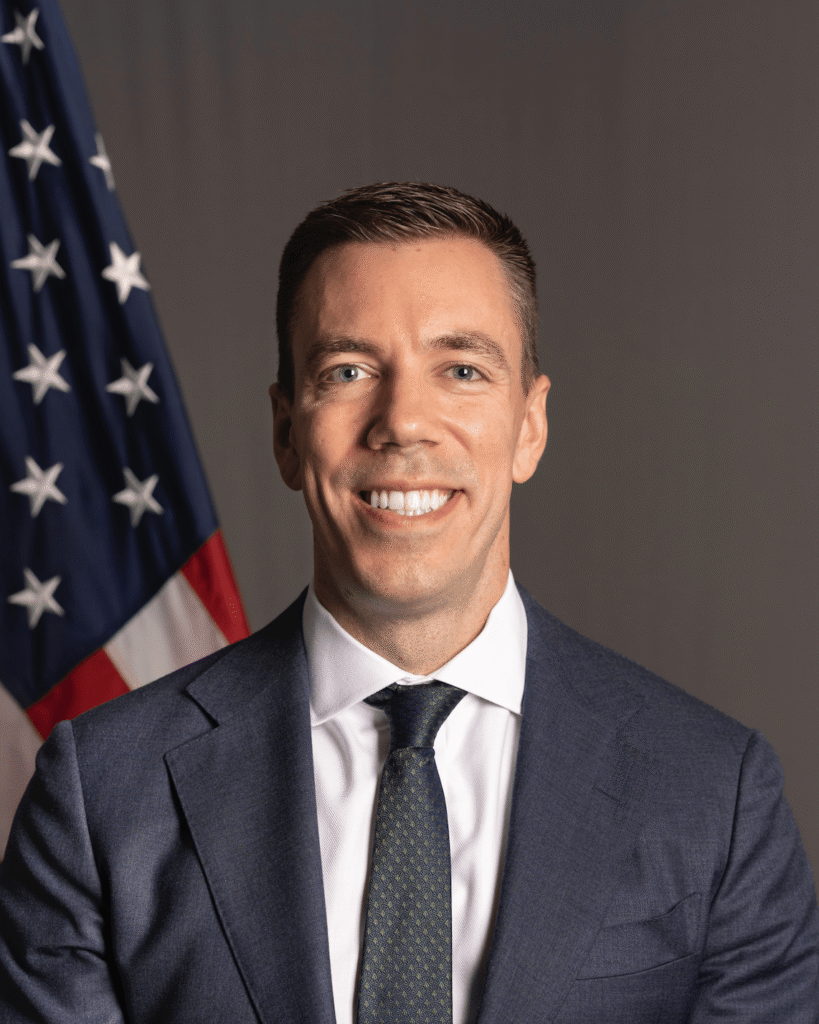
However, US Senior Bureau Official (SBO) Nick Checker refuted the claims, stating that the United States is not pursuing any arrangement that would undermine Zambia’s laws, interests, or economic position.
Speaking during last week’s Powering Africa Summit in Washington, D.C., Mr. Checker said the U.S. is proposing a long-term investment partnership aimed at supporting Zambia’s development, with a shift away from aid dependency toward greater national ownership of health systems.
“This transition requires the Government of Zambia to pursue accountability reforms and modernize key industries, including mining, to foster and increase sustainable private sector investment that will fund Zambia’s social programs and fuel its economy,” he said.
According to a statement published on the U.S. Department of State website and monitored by Money News, Mr. Checker emphasized that U.S. support is consistently aligned with promoting effective use of assistance while advancing both American and Zambian interests.
“Many of you have no doubt seen the fake news regarding Zambia. I can say unequivocally, we are not seeking anything at Zambia’s expense or against Zambia’s laws or interests; quite the opposite. The American people are proposing a massive investment in Zambia’s future and success,” he stressed.
He added that future engagement between the two countries would differ from past approaches, focusing on sustainable outcomes for both Zambia and the United States.
“The United States has been clear that, to attract reliable external investment and build a more durable economy that benefits the Zambian people, the Government of Zambia must make accountability reforms and take steps to modernize its key industries, including mining. Otherwise, private sector investment in Zambia will not happen,” Mr. Checker emphasized.
Mr. Checker further noted that the U.S. is promoting a new development model aimed at fostering self-reliance among African countries, including Zambia.
“For instance, under the American First Global Health Strategy we have promoted Bilateral Health MoUs with dozens of countries to the tune of billions of dollars to move these countries to self-reliance,” he remarked.
“Here again, African governments love these agreements because they actually offer ownership and empower them to manage health systems. This approach moves from an infantilizing NGO industrial complex modal to an approach that treats Africans as capable partners. Unlike others who have prioritized their own interests, the United States stands for genuine partnership and accountability,” Mr. Checker added.
He further said while, previous administrations focused on aid and lectures, the Trump administration promotes trade and private investment as the foundation for sustainable growth and partnership.
“We are engaging African nations not as aid recipients, but as capable commercial partners. Africa is the world’s next great commercial opportunity. Nine of the 20 fastest growing economies are in Africa, and by 2050, one out of every four people on the planet will be in Africa—2.5 billion consumers with projected purchasing power exceeding US$16 trillion. Meeting that demand will require massive investment in generation, infrastructure, and supply chains,” Mr. Checker said.