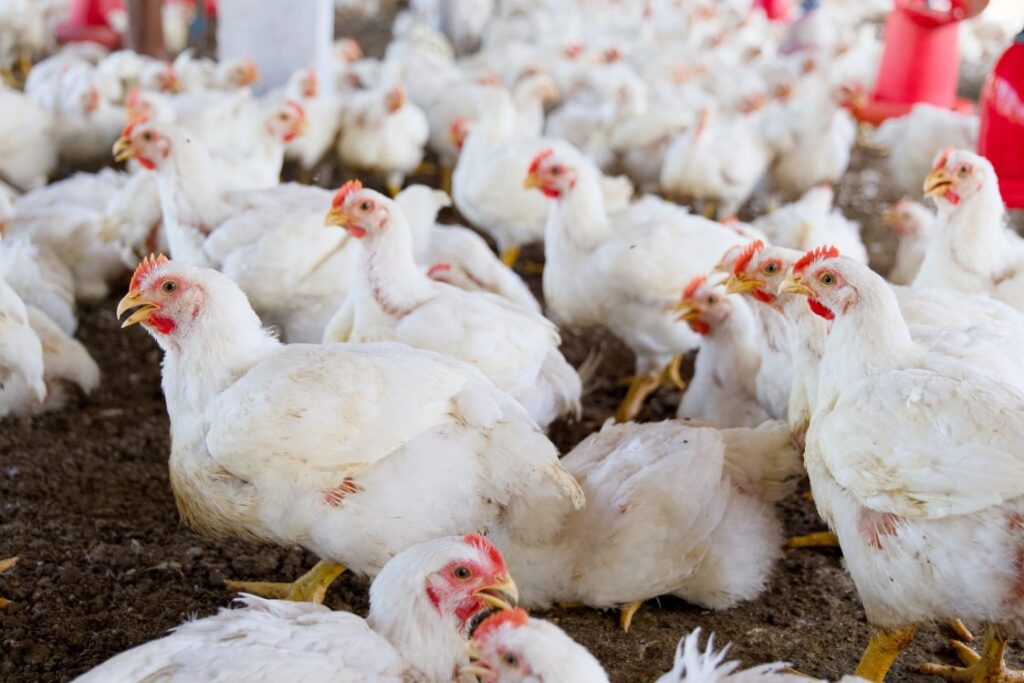

Poultry Association of Zambia (PAZ) says the poultry sector has shown improved performance in the first quarter of 2026, driven by better electricity supply, lower feed costs, a stronger Kwacha and improved maize availability compared to the same period last year.
Association Executive Manager Dominic Chanda told Money News in an interview that the sector entered 2026 under more favourable conditions after facing multiple challenges in 2025, including power shortages, high feed prices and currency depreciation.
Mr Chanda observed that last year’s operating environment had negatively affected poultry farmers and reduced output across the industry.
“To begin with, last year was mixed with a lot of different challenges altogether, not only unique to the sector, but some of the things that affected the entire economic timeline. We had issues to do with power challenges, the Kwacha was depreciating and feed prices were high,” Mr. Chanda noted.
He explained that conditions have significantly changed this year, helping farmers stabilize production and market supply.
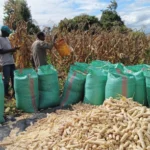
Mr. Chanda noted that maize stocks and harvest output had also improved, easing pressure on stock feed prices.
“There has been stable supply in the first quarter of this year. We also have a Kwacha that has appreciated,” he said. “We entered the year on a good base in terms of the crop owing to 3.6 million metric tonnes that was produced last year and the stock that we are currently sitting on.”
He said feed prices, which had peaked between K850 and K870 for broiler starter feed in some markets in 2025, has now reduced to around K750 in many areas outside Lusaka.
Mr. Chanda added that chicken and egg prices have also stabilized after sharp increases last year.
“The prices of chicken have stabilized. We should be talking about K100 to K120 a chicken. Egg prices on the open market are averaging close to K65, down from the K80 to K90 and the K120 to K130 we experienced last year,” he added.
He further observed that power supply stability has also restored normal consumer buying patterns, as households are now able to store fresh products for longer periods.
“With stability in power supply, we have seen consumers getting back into normal consumption behaviour and farmers have also stabilized,” Mr. Chanda observed.
Mr. Chanda noted that the first quarter is traditionally slower for the poultry sector as many farmers redirect capital to crop production and consumers recover from festive season spending.
He said activity is expected to improve further in the second quarter as farmers begin reinvesting proceeds from crop sales back into poultry production.