
Higher Education Authority (HEA) has raised alarm over the growing presence of fake professors in higher learning institutions, warning that the trend poses a serious threat to academic standards and the credibility of the education sector.
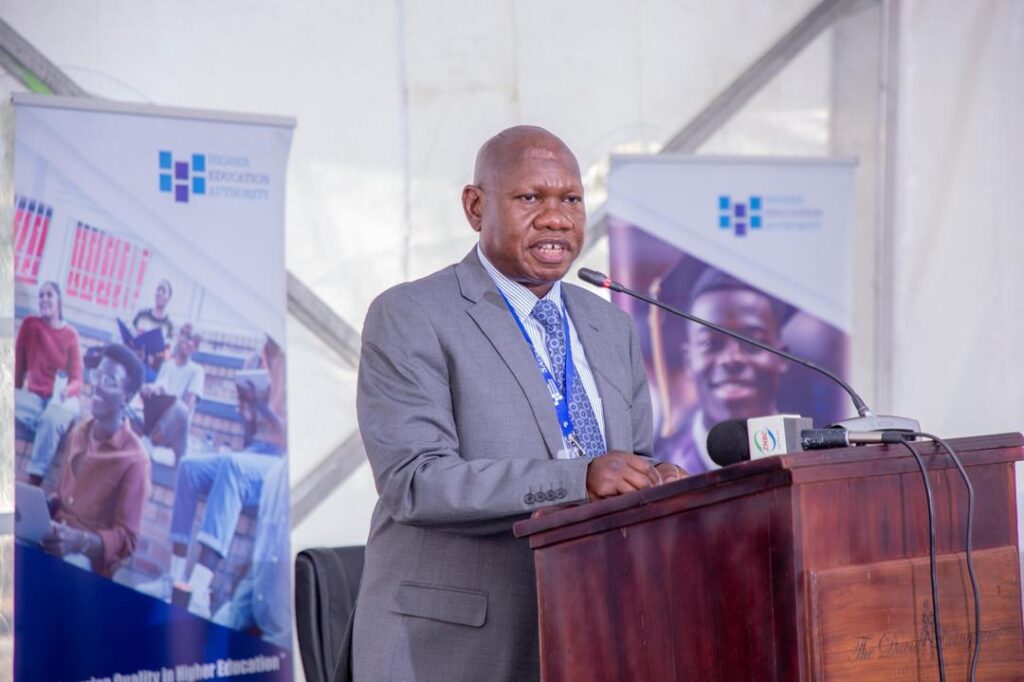
Speaking during the HEA Summer School Media Training Workshop in Lusaka, Director General, Professor Kazhila Chinsembu, said the Authority has observed an increase in individuals presenting themselves as academics despite lacking credible research backgrounds or publications in reputable, peer-reviewed journals.
Professor Chinsembu explained that many of the fake professors rely on publications in predatory journals, which he described as deceptive academic outlets that masquerade as legitimate scholarly platforms but exist primarily to extract money from authors rather than advance genuine research.
“These fake professors qualify as academic scams because they deliberately impersonate legitimate academics or fabricate credentials to deceive students and exploit institutions. Professorship is earned through research, peer reviewed publications, and impact. It is not granted on compassionate grounds,” Prof. Chinsembu stated.
He further warned that the presence of bogus academics undermines the credibility and reputation of higher education institutions, erodes public trust, and compromises academic standards.
According to the HEA Director General, students taught and supervised by unqualified instructors are deprived of rigorous training, resulting in the graduation of individuals who lack essential competencies.
“This directly affects the quality of graduates we produce and, ultimately, national development,” he noted.
He stressed the need for stronger verification of academic credentials, increased scrutiny of publications, and strict enforcement of regulatory standards to curb the proliferation of fake professors in the country’s higher education system.
“The unchecked proliferation of fake professors causes a serious threat to the legitimacy of our academic qualifications and diminishes the skills and competencies that graduates are expected to acquire.”
“The presence of bogus and fake professors underscores the urgent need for regulatory intervention and oversight of academic promotions to ensure that only qualified academics are recognized as professors,” he emphasized.
He revealed that to curb the proliferation of fake professors and safeguard the quality of higher education, the Authority intends to propose amendments to strengthen the Higher Education Act in order to introduce a mandatory recognition system for professors.
Prof. Chinsembu encouraged Journalists attending the media training to help the public to understand the difference between peer-reviewed journals and predatory journals.
“Journalists should examine how institutional loopholes allow fake professors to thrive. The media can therefore help to strengthen regulatory legitimacy and public trust. An informed public is less likely to be deceived by fake academics. An enlightened media can push higher education institutions to self-correct,” he said.
“By investigating academic fraud, educating the public, and amplifying regulatory standards, the media can act as a critical partner in safeguarding genuine professorship and scholarship. The media can therefore restore confidence in Zambia’s higher education system.”
The two-day media training is aimed at enhancing accurate , informed and contextual reporting on higher education regulation, quality assurance, and policy implementation in the country.