Climate change and water scarcity are closely linked challenges affecting Zambia and many parts of the world. Rising temperatures, changing rainfall patterns, prolonged droughts and more frequent floods are reducing the availability and quality of freshwater resources.
Climate change is making water increasingly unreliable for ordinary Zambians, with smallholder farmers and rural communities bearing the greatest cost, while preparedness and investment in climate resilience remain inadequate.
Zambia has experienced increasing climate variability in recent years, with severe droughts, erratic rainfall and occasional floods affecting agriculture, hydropower generation and access to clean water.
During the 2023/2024 El Niño-induced drought, national rainfall fell 35% to 45% below the 30-year average. At Lake Kariba—Zambia’s main hydropower source—usable live storage water volume plummeted from 17.22 billion cubic meters (BCM) down to 8.48 BCM, a direct loss of over 8.7 BCM of usable water capacity. This is according to recent figures released by the Zambezi River Authority.
Usable live water storage fell from 26.59% capacity in 2023 down to 13.10% in 2024 at critical points, cutting water allocations for power generation drastically. As a result, over 1 million hectares-nearly 44% of the country’s planted maize crop failed completely, destroying livelihoods for over a million farming households.
According to UNICEF, Zambia experienced one of its worst droughts in decades, driven by the combined effects of El Niño and climate change. The drought affected 84 of the country’s 116 districts, including Sikongo in Western Province.
The impacts included reduced rainfall and prolonged dry spells, which led to lower river flows and the drying up of wells and dams. Declining water levels in major water bodies, including Lake Kariba, reduced hydropower generation and contributed to electricity shortages.
The drought also worsened food insecurity as farmers struggled to access water for irrigation and livestock. Rural communities faced limited access to safe drinking water, while ecosystems, including wetlands and wildlife habitats, came under increasing pressure.
Globally, climate change is disrupting the water cycle. Many countries are experiencing more frequent and intense droughts, while rising sea levels are causing saltwater intrusion into freshwater sources.
There is also increasing competition for water among agriculture, industry and households, alongside growing concerns about conflicts over scarce water resources, reduced crop production and threats to global food security.
According to the United Nations, billions of people already experience water scarcity for at least part of the year, with climate change expected to worsen the situation.
The World Meteorological Organization (WMO) monthly Global Seasonal Climate Update indicates that El Niño is intensifying and is expected to influence global climate patterns during the August-October 2026 period, increasing the likelihood of above-normal temperatures across much of the world and significant shifts in rainfall patterns.
“Combined with exceptionally warm global oceans and the likelihood of a positive Indian Ocean Dipole, the developing El Niño is expected to shape weather patterns across many parts of the world in the months ahead,” WMO recently said.
Climate change is therefore intensifying water scarcity in Zambia and around the world, threatening livelihoods, food production, energy security and public health.
Zambia is expected to experience El Niño conditions during the 2026/2027 rainy season, bringing risks of below-average rainfall, delayed rains and prolonged dry spells.
Global models indicate an 80 to 90 percent probability of the climate phenomenon developing and persisting into early 2027.
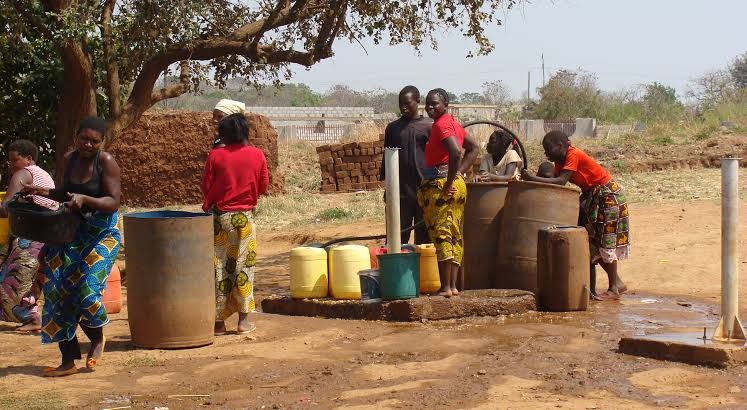
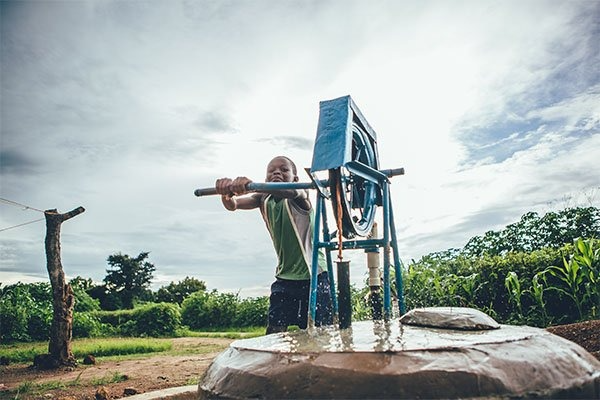
Many rural communities in the country rely on boreholes, wells, rivers and streams, which may dry up or become contaminated during prolonged dry periods. Women and children often have to walk longer distances to fetch water, reducing the time available for school, work and other activities.
Poor harvests can also lead to food shortages and higher food prices. As household incomes decline, families may eat fewer meals and consume less nutritious diets, increasing the risk of malnutrition, particularly among children.
During the 2023/2024 rainy season, farmers in Sikongo District experienced severe water scarcity and crop failures driven by changing climate patterns and prolonged drought.
For farmers such as Nancy Nasilele, the water shortage reduced agricultural yields, lowered household incomes and increased food insecurity and the risk of malnutrition in local communities. “The rains no longer come when we expect them. Sometimes we plant early and the crops dry up because the rain stops for weeks,” she lamented.
Similarly, Chongwe-based farmer Kobi Mwansa said the 2024 climate crisis negatively affected water levels in the Chongwe River and depleted the Chongwe Dam, devastating crops, threatening livestock and putting household food security at risk.
“Climate change has made farming unpredictable. We do not know when to plant anymore because the seasons keep changing. When the rains finally come, they are sometimes too heavy, washing away our crops and causing soil erosion,” he said.
A recent survey conducted by ActionAid Zambia revealed that at least 500 female garden farmers in Kanakantapa, Chongwe, were among those hardest hit by the effects of climate change.
The farmers rely on riverbank gardening for income and food for their families. However, water scarcity left their gardens dry and resulted in poor or no harvests, severely affecting their livelihoods.
“With the effects of climate change and in our fight for climate justice, it is required for the world to see that these effects are very real. It is, therefore, imperative that the Zambian Government and the world at large, take effects of climate change very seriously and take action now to reverse these effects. It is very clear that the effects of climate change affect mostly those that rely on natural resources for their livelihood,” the organization said.
Meanwhile, agriculture advisors, including the Agriculture Climate Action Foundation (ACAF), have consistently urged the Government to make irrigation infrastructure more accessible and affordable, particularly for smallholder farmers.
ACAF Executive Director, Dr. Oliver Bulaya has emphasized the need for strengthened partnerships between Government, the private sector and development partners to invest in dams, water-harvesting systems, solar-powered irrigation and efficient irrigation technologies.
As part of mitigation and adaptation efforts, Dr. Bulaya has also urged farmers to plant drought-resistant crops such as cowpeas and beans instead of relying heavily on maize.
“In light of forecasts indicating the likelihood of Super El Niño conditions affecting the region, farmers must also begin preparing early by investing in water harvesting, conservation agriculture, drought-tolerant crop varieties, crop diversification, strategic input planning, and effective utilization of climate and weather information to minimize production risks and safeguard agricultural productivity,” Dr. Bulaya stated.
In the energy sector, expert Bornface Zulu warned that Zambia’s dependence on hydropower remains a major vulnerability, particularly in the face of climate change.
“Over 80 percent of Zambia’s electricity comes from hydropower. Climate variability, especially El Niño-driven droughts, can drastically reduce water levels, undermining supply,” Eng. Zulu noted.
Addressing these challenges requires coordinated efforts to reduce greenhouse gas emissions while improving water management and building resilience to climate impacts.
The Government is tackling climate change and water scarcity through the National Adaptation Plan (NAP), community-based water harvesting and enhanced institutional regulation.These efforts focus on building resilience against recurring droughts and changing rainfall patterns.
The NAP was launched to integrate climate resilience into national development, with phase-specific actions, including a dedicated Water NAP aimed at strengthening the link between water management, agriculture and health.
According to the Ministry of Green Economy and Environment, it is working with relevant ministries to intensify public awareness on the potential impacts of El Niño on water availability and hydropower generation.
Ministry Principal Public Relations Officer Harriet Malambo told Money News in an exclusive interview that the Ministry is emphasizing the need for increased awareness, while more detailed information will be provided once the seasonal outlook is released in August 2026.
“For now, we are emphasizing to the ministries of Water Development and Sanitation as well as Energy to intensify awareness on El Niño. When we give the seasonal outlook this August, we will call for a stakeholders’ meeting where we will provide more details,” Ms. Malambo said.
The stakeholders’ meeting will provide an opportunity for relevant institutions to receive and discuss the seasonal outlook and strengthen preparedness measures to address water scarcity, particularly in rural communities.
In the 2026 National Budget, totaling K253.1 billion, the Zambian Government allocated 0.6 percent, approximately K1.57 billion, to environmental protection, which includes climate change-related interventions.
However, environmental protection remains one of the smaller functional allocations in the national budget compared to major sectors such as general public services, education, health and social protection.
For ActionAid Zambia, climate change resilience will not be achieved without significant financial commitment. “Therefore, we would like to urge government to keep to their commitment in increasing efforts to reversing the negative effects of climate change.”
Backed by international financing, including World Bank support for water supply and sanitation, Zambia is upgrading physical water networks, reducing commercial and physical water losses and expanding climate-resilient sanitation in rural and urban growth areas.
Despite these efforts, there remains an urgent need for both state and non-state actors to strengthen advocacy for better enforcement of water rights and protection of riverbanks to safeguard the country’s future water supplies.
As climate change continues to alter rainfall patterns and intensify pressure on water resources, Zambia’s ability to protect its water, food and energy security will increasingly depend on early preparedness, sustainable water management, climate-smart agriculture and adequate investment in resilience.