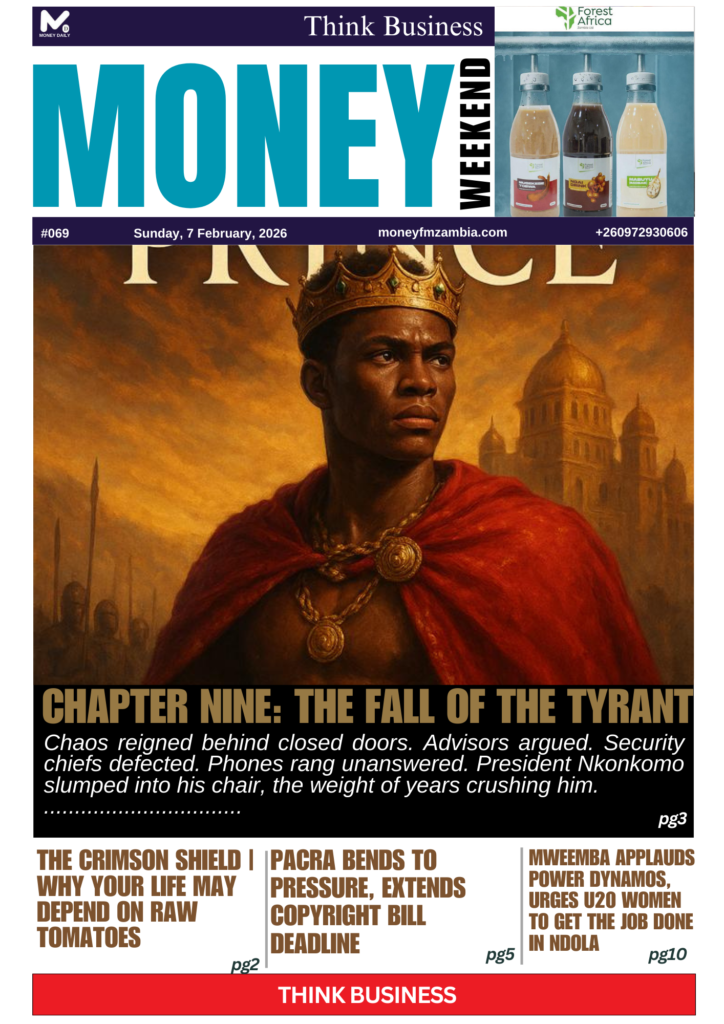

The first protest did not begin with shouting. It began with stillness.
At exactly eight o’clock on a Monday morning, people across the capital stopped moving. Markets fell silent. Buses idled. Offices stood frozen. It was called The Hour of Dignity — a simple act of defiance organized quietly by the Kingdom of Shadows.
No slogans.
No marches.
Just presence.
The regime did not know how to arrest silence.
The Streets Awaken
When the hour ended, the crowds did not disperse.
They stayed.
By midday, thousands filled Freedom Square. Students stood beside miners. Clergy locked arms with street vendors. Old men leaned on walking sticks beside young women holding handwritten signs:
WE REMEMBER THE DISAPPEARED ENOUGH IS ENOUGH
Tanks rolled in.
But the people did not run.
President Nkonkomo watched from the palace balcony, rage and disbelief twisting his face.
“Fire a warning shot,” he ordered.
The shot rang out.
The crowd flinched — but did not scatter.
Then something unthinkable happened.
A young army captain stepped forward, removed his helmet, and placed his rifle on the ground.
“I will not shoot my people,” he said.
Others followed.
One by one, weapons fell.
The line broke.
The Slave Prince Steps into Daylight
As dusk fell, a figure emerged from the crowd.
Thin. Scarred. Calm.
Whispers rippled through the square like wind through grass.
“It’s him.”
“The Slave Prince.”
Chanda Mwansa walked forward, unguarded.
Tisa stood somewhere behind him, tears streaming down her face.
He raised his hand.
Silence returned.
“I did not come to lead you,” Chanda said, his voice steady. “I came to stand with you.”
He turned toward the palace.
“Mr. President,” he called out, “your power ends tonight — not because we hate you, but because we refuse to fear you any longer.”
The crowd did not cheer.
They listened.
History leaned in.
Inside the Palace
Chaos reigned behind closed doors.
Advisors argued.
Security chiefs defected.
Phones rang unanswered.
President Nkonkomo slumped into his chair, the weight of years crushing him.
“They were supposed to be afraid,” he muttered.
“They were,” one aide replied softly. “Until now.”
By midnight, the army command issued a statement:
The Defense Forces will not act against unarmed civilians.
The regime collapsed in a sentence.
The Arrest
At dawn, Chanda entered the palace — not as a conqueror, but as a witness.
No cheering crowds followed him.
No banners.
No revenge.
Only quiet footsteps on marble floors.
President Nkonkomo sat alone in his office, smaller than the portraits behind him.
“You could have killed me,” the old man said.
Chanda nodded.
“Yes. But then you would escape judgment.”
He turned to the guards.
“Arrest him,” he said. “Not as an enemy — but as a citizen answerable to the law.”
For the first time in decades, the palace obeyed the people.
A Nation Holds Its Breath
News spread like wildfire.
The tyrant had fallen.
The prisons were opening.
Families searched for the missing.
Some reunions were joyful.
Others ended in tears.
Chanda stood outside the palace gates as dawn broke, watching the city awaken to a future no one fully understood.
Tisa joined him.
“It’s over,” she said.
He shook his head gently.
“No,” he replied. “It’s begun.”
The Weight of Victory
That afternoon, elders, civil society leaders, and military commanders gathered.
They spoke of transition.
Of elections.
Of rebuilding.
And again and again, one name rose from the crowd.
Chanda Mwansa.
He did not smile.
“I was a prisoner,” he said quietly. “I will not become a king.”
But the people knew the truth:
The man who had suffered for them could not walk away from them.
The Slave Prince had broken the chains of a nation.
Now he faced a harder test:
What comes after freedom?