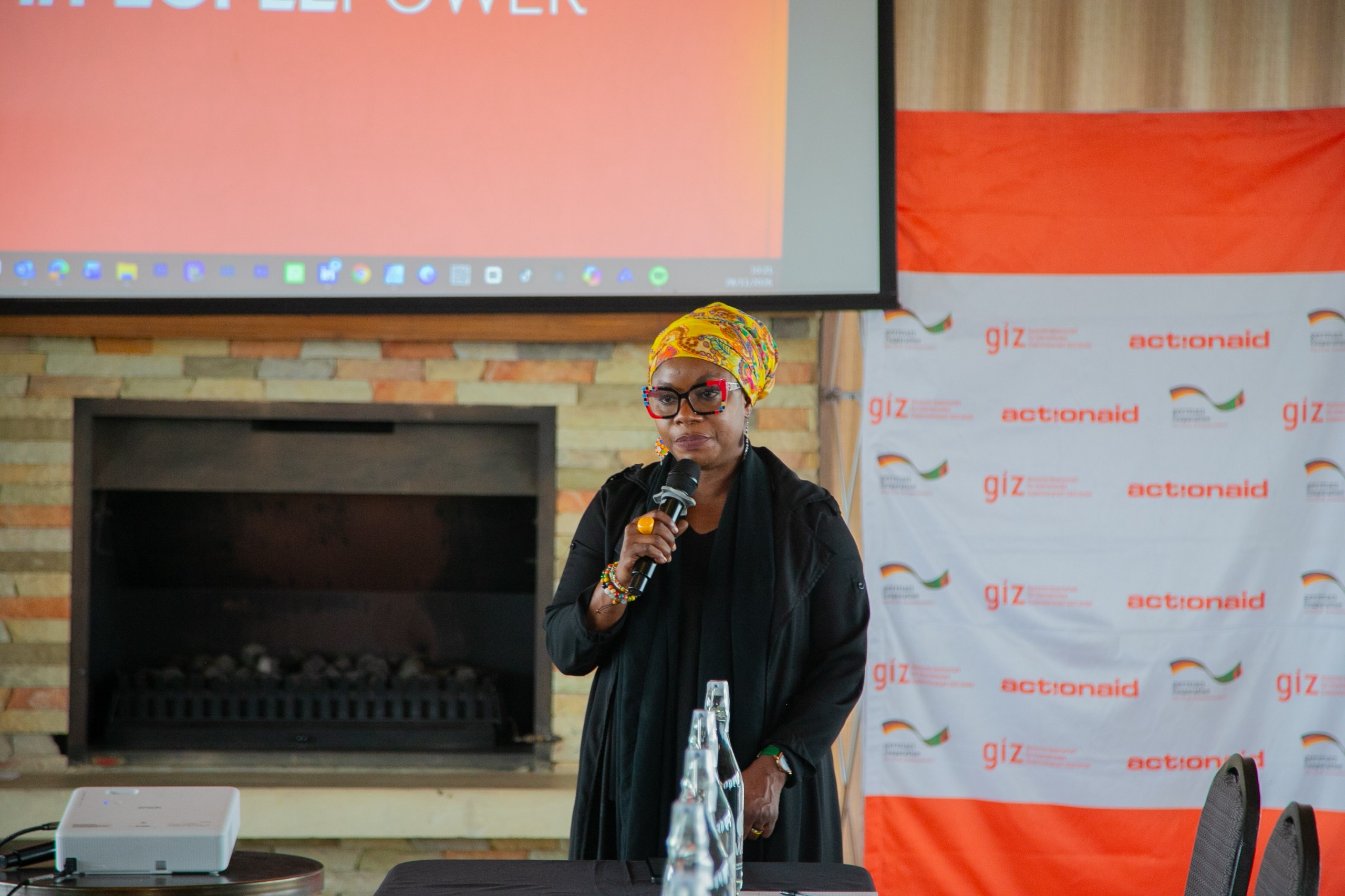
ActionAid Zambia has called for adequate, timely and ring-fenced financing towards the Comprehensive Africa Agriculture Development Programme (CAADP) to ensure the country meets its agricultural transformation targets and the 10 percent budget allocation benchmark.
Speaking at a High-Level Parliamentary Dialogue on Agricultural Transformation and Food Security in Zambia, Organization Head of Programmes Bertha Kabengele said predictable financing is critical to improving agricultural productivity, strengthening food security and ensuring that public resources allocated to the sector deliver tangible benefits to farmers and ordinary Zambians.
Ms. Kabengele, who delivered remarks on behalf of ActionAid Zambia Country Director Faides TembaTemba, emphasized that Parliament must play a leading role in ensuring that commitments made under the CAADP and the Comprehensive Agriculture Transformation Support Programme (CATSP) are translated into practical results.
She stated that Zambia was at a defining moment, with recurring climate shocks threatening rural livelihoods while small-scale farmers continued to face rising production costs.
Ms. Kabengele noted that women and young people, who form a significant part of the agricultural sector, also continued to face systemic barriers in accessing land, finance and meaningful participation across agricultural value chains.
“With public resources remaining constrained, ActionAid would like to implore that every Kwacha allocated to the agriculture sector must deliver measurable, tangible results for ordinary farmers and the Zambian citizens at large,” Ms. Kabengele said.
She further called for increased investment in climate-resilient agriculture, including agroecology, water harvesting and climate-smart technologies, while ensuring that rural women, young people and small-scale farmers actively participate in shaping policies and budgets affecting their livelihoods.
“The defining question therefore before us today is execution. How do we translate these commitments on paper into higher productivity, national food security and dignified rural incomes?” she asked.
Ms. Kabengele said the success of the two-day dialogue should be measured by concrete improvements in agricultural financing, stronger parliamentary oversight, timely delivery of farming inputs and improved rural livelihoods, adding that ActionAid Zambia remained committed to working with Government, Parliament, development partners, including GIZ, and farming communities to advance agricultural transformation.
“As we embark on these two days of engagement, we would like to challenge this gathering to live with concrete commitments; strengthen Parliamentary oversight, exercise rigorous continuous scrutiny over agriculture investments, input delivery systems and flagship programs. We call and demand for transparency and accountability, insist on clear tracking and open reporting on how public resources allocated to agriculture are utilized at national, district, and even at ward levels,” she added.
And Chairperson of the Parliamentary Committee on Agriculture, Land and Natural Resources, Michelo Kasauta, said the engagement provides an opportunity for lawmakers to deepen their understanding of the CAADP, the National Agriculture Investment Plan and other strategic frameworks guiding the sector.
Mr. Kasauta said Parliament has a critical responsibility to ensure that government agricultural programmes respond to the needs of citizens, particularly women, young people and smallholder farmers, who depend on the sector for their livelihoods.
He noted that agriculture remains key to employment creation, economic growth and poverty reduction, as well as strengthening food security and climate resilience, and urged Members of Parliament to support effective policies aimed at transforming the sector.
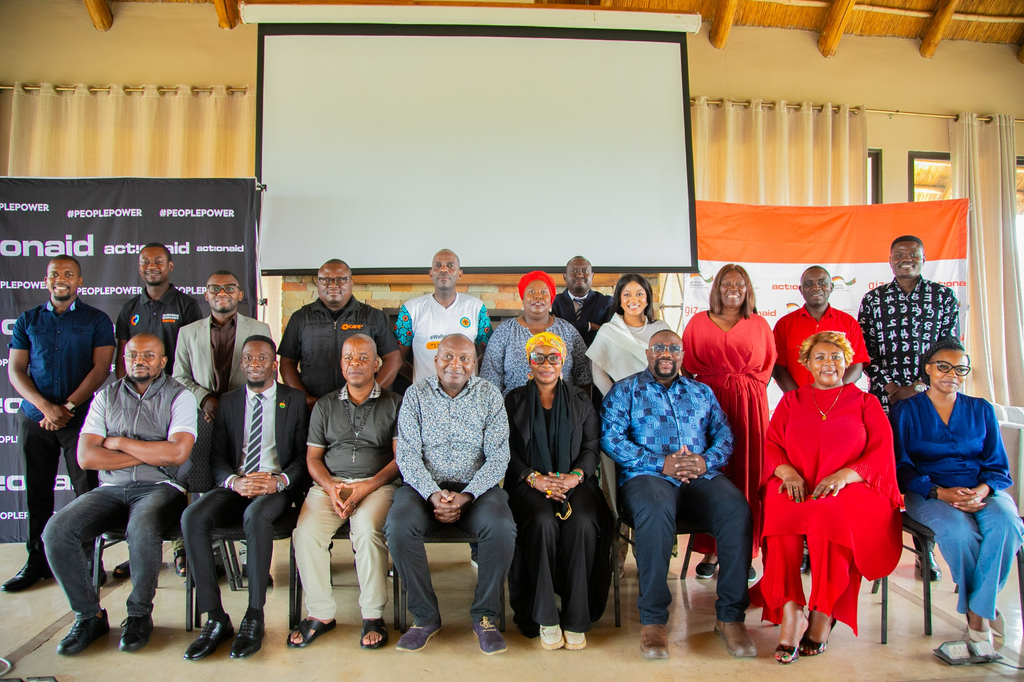
“As Members of Parliament, our responsibility extends beyond lawmaking to providing effective oversight, supporting sound policy formulation, and ensuring that government programmes respond to the needs of our people,” he added.
Speaking earlier, CAADP Non-State Actors Group (CNG)Zambia Chapter Chairperson, Ebony Lolozhi called for a coordinated, systems-based approach to agriculture financing, saying government budget allocations supporting the sector need to be better aligned to maximize their impact.
Mr. Lolozhi said Zambia should move beyond looking at agriculture in isolation and instead recognize the interconnected contributions of other sectors to food systems, noting that although the country may be exceeding the 10 percent agricultural budget allocation threshold under the Malabo Declaration, the major challenge is that supporting budget lines are not adequately coordinated.
“Improved coordination among the different sectors would help strengthen agricultural development and enable Zambia to better assess its compliance with continental commitments,” he stated.
Meanwhile, GIZ said strong political commitment, adequate financing and effective oversight were critical to ensuring that agricultural policy commitments translate into tangible results, noting that Parliament has a key role in supporting the implementation of Zambia’s commitments under the Kampala CAADP Declaration 2026–2035.