

Zambia has called for stronger regional cooperation among member states in the Great Lakes Region to combat the illegal exploitation of natural resources and ensure mineral wealth contributes to economic development and improved livelihoods.
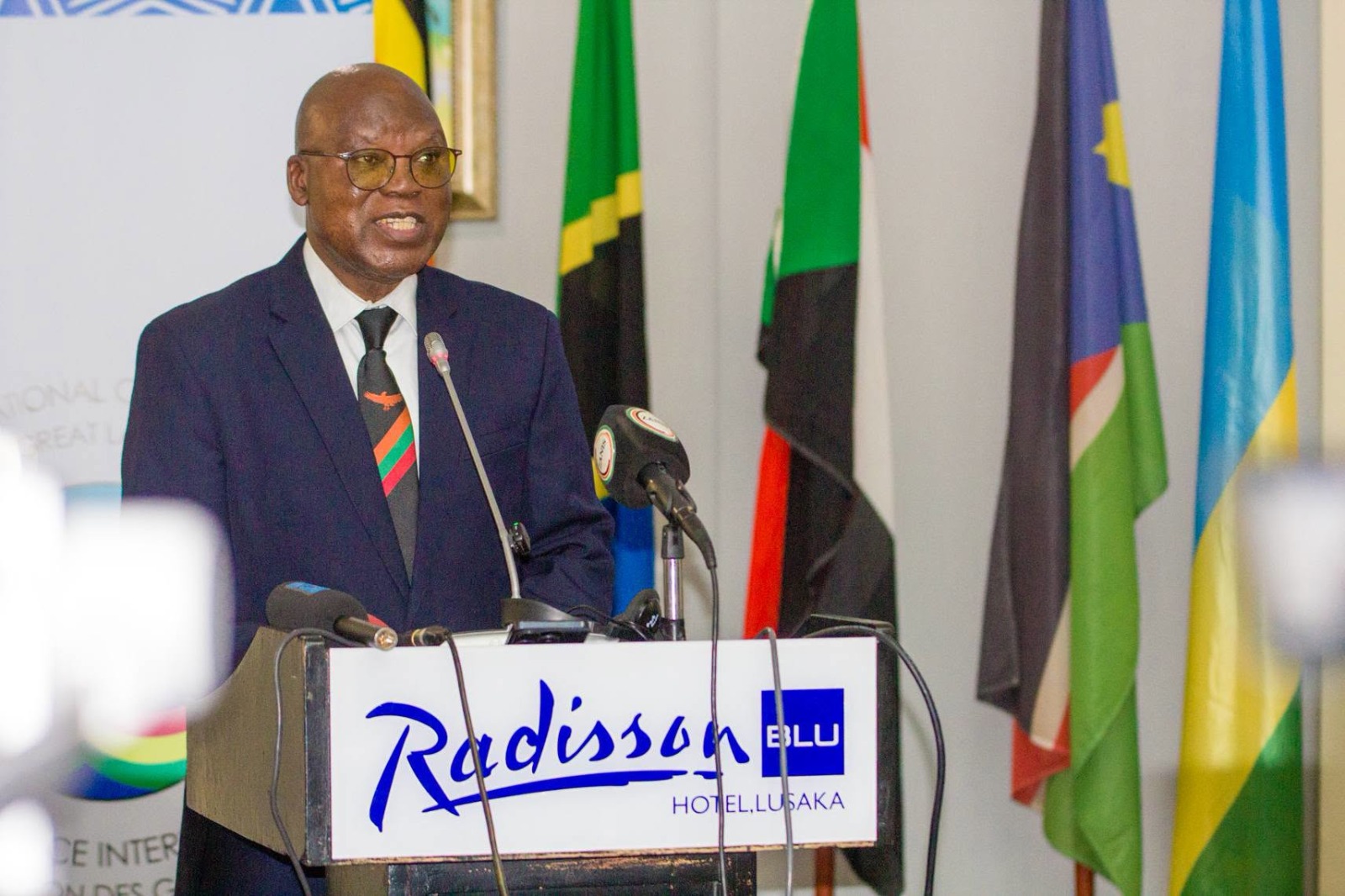
Speaking during the 10th Meeting of Ministers in Charge of Mines in the Great Lakes Region in Lusaka, Deputy Secretary to Cabinet in charge of Finance and Economic Development, Siazongo Siakalenge, supported the proposed revisions to the Regional Initiative against the Illegal Exploitation of Natural Resources.
Mr. Siakalenge said the revisions would strengthen implementation of the initiative’s six tools, address existing challenges and improve coordination among member states.
“The revised framework should go beyond mineral traceability and certification to promote local value addition, industrial development, employment creation and legitimate cross-border mineral trade,” he stated.
He emphasized that natural resources must be managed transparently and responsibly to deliver tangible economic benefits to citizens.
Mr. Siakalenge further said strengthening local participation in mineral value chains was critical to ensuring that communities in mining areas benefited through employment, business opportunities, skills development and improved livelihoods.
He added that illegal mineral exploitation and illicit cross-border trade could not be effectively addressed by individual countries acting in isolation, calling for coordinated regional action, effective information sharing and stronger institutional capacity.
Meanwhile, the meeting is expected to consider and approve the second edition of the Regional Initiative against the Illegal Exploitation of Natural Resources, alongside a roadmap outlining implementation responsibilities, timelines and mechanisms for monitoring progress.
The revised framework is also intended to support peace, security and economic integration in the Great Lakes Region by promoting responsible mineral governance and creating shared economic opportunities among member states.
