

The death of a loved one is an experience that comes with grief, emotional pain and, often, unexpected financial pressure.
The loss of a breadwinner may result in family members having to come up with funds for the burial costs at a time when they are unable to provide.
It is against this background that the National Pension Scheme Authority (NAPSA) funeral grant plays an important role in providing financial support to families following the death of a contributing member.
The funeral grant is a benefit available to eligible NAPSA members, regardless of the amount they have contributed to the pension scheme.
The grant currently stands at K23,800 and is available to NAPSA members regardless of how much they have contributed.
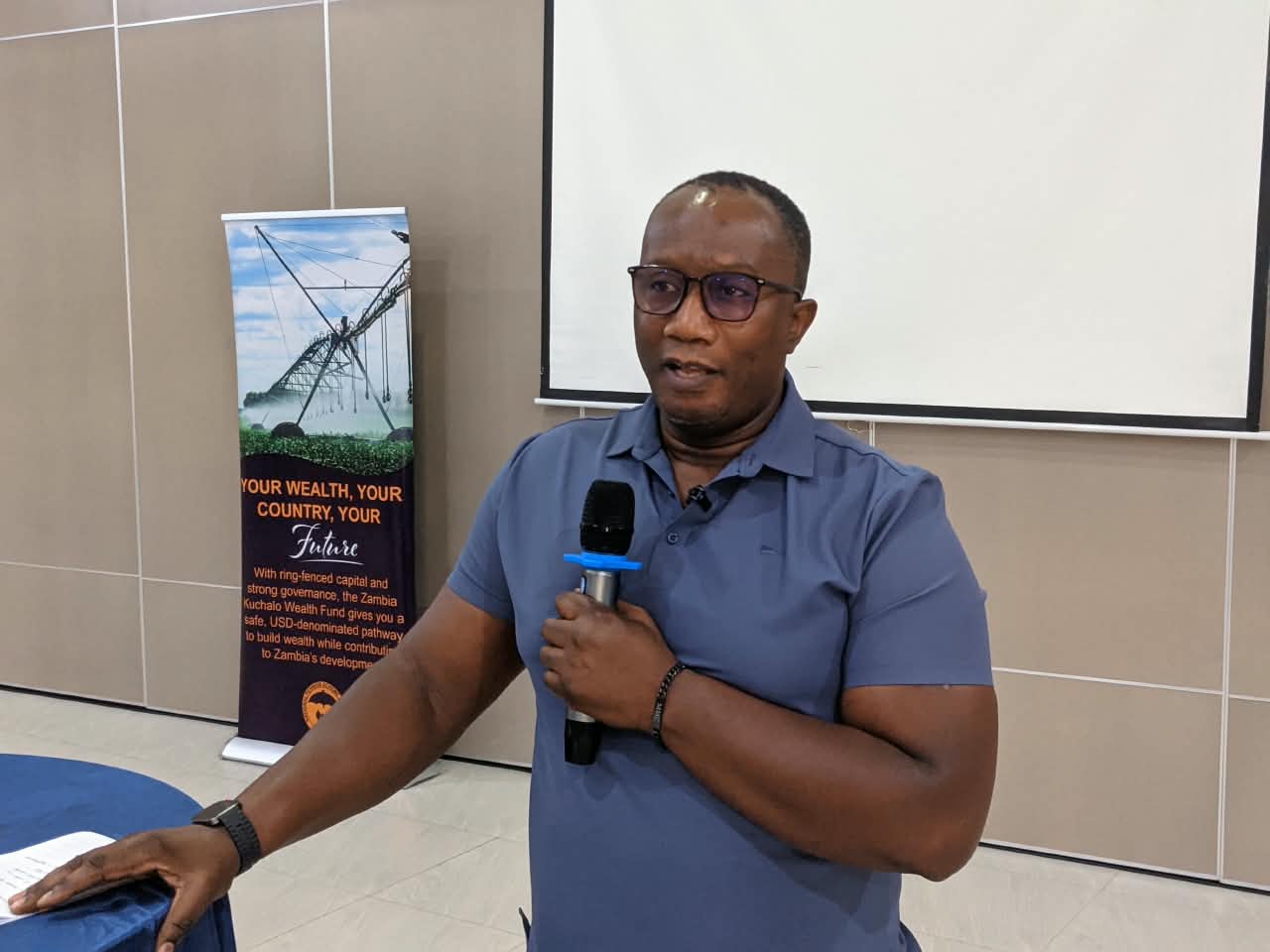
Speaking in an interview with Money News, NAPSA Director General, Muyangwa Muyangwa said unlike benefits that are linked to individual contributions, the funeral grant is a uniform benefit available to all eligible NAPSA members.
“Everyone is entitled to the same amount of money. Whether you contributed one K1 million or you contributed One Kwacha, it is the same,” he explained.
The K23,800 funeral grant may not cover all costs for a funeral, but it could help support a family during that time.
That is why the importance of this benefit goes beyond the value of the monetary support itself; it demonstrates the type of social protection that the death of a member could cause immediate financial strain for those who remain.
The funeral grant also highlights the broader purpose of social security. Pension schemes are often viewed only in terms of the retirement age and what the person expects to earn when they leave employment.
However, Mr. Muyangwa, told Money News in an interview that despite its potential importance, awareness remains a major challenge.
He noted that the funeral grant is currently one of the least-known benefits among NAPSA members, with many beneficiaries only learning about it when they make claims for other benefits.
“The challenge we have with the funeral grant is that administering it has been a problem because most people are not aware that NAPSA actually pays. So what we are trying to do is find a way to make it known,” Mr. Muyangwa stated.
He said the challenge is particularly significant because the person who would ordinarily know about their NAPSA benefits, the deceased member, is no longer available to guide the family.
This is why NAPSA is looking at ways of making the funeral grant more accessible and reducing the need for families to discover the benefit on their own.
Mr. Muyangwa revealed that the Authority is working on a digital system that will enable beneficiaries to access funeral grants more quickly after the death of a contributing member.
He stressed that the Authority is exploring ways of identifying deceased members through the Registrar of Deaths and Births and initiating payment to beneficiaries registered on its system.
According to Mr. Muyangwa, such a system could potentially allow NAPSA to notify beneficiaries and initiate the payment process without requiring families to first navigate a lengthy claims process.
He said the current system often results in beneficiaries discovering the funeral grant after the deceased has already been buried, limiting its usefulness at the time it is needed most.
“So we need to find a system that allows us to know in time to intervene when they need the money,” Mr. Muyangwa said.
Mr. Muyangwa further explained that under the proposed digital system, NAPSA would use information from the Registrar of Deaths to identify deceased members and facilitate payment to the beneficiary recorded in its system.
“The move is aimed at ensuring families receive the benefit when they need it most, rather than having to discover and claim it after funeral arrangements have already been completed,” he added.
Meanwhile, Lucky Chama, a member of NAPSA, expressed ignorance on the funeral grant, and called for increased awareness.
“For the funeral grant to achieve its purpose, awareness, accessibility and timely payment are just as important as the benefit itself,” he said.
He emphasized that employers, workers, families and NAPSA have a role to play in ensuring that members are aware of the benefits attached to their membership.
While K23,800 may seem like a small amount compared to the total cost of funerals, the importance of a funeral grant should not be overlooked simply because it might not be able to cover all funeral costs. The value of a funeral grant stems from being able to provide assistance during a financially difficult and taxing time.
For families who are struggling to come up with money for a funeral, it can ease the burden of having to mobilize resources and help reduce any outstanding amounts that may have to be borrowed or accessed from other sources.
The bigger challenge, however, is making sure that all eligible families are aware of the support and can access it when it matters most.
As Zambia continues to expand social protection and pension coverage, benefits such as the NAPSA funeral grant show that social security goes beyond preparing for retirement.
It is also about providing social security nets that cushion Zambians against financial shocks and helping ensure that when misfortunes strike, families do not have to bear the costs alone.
